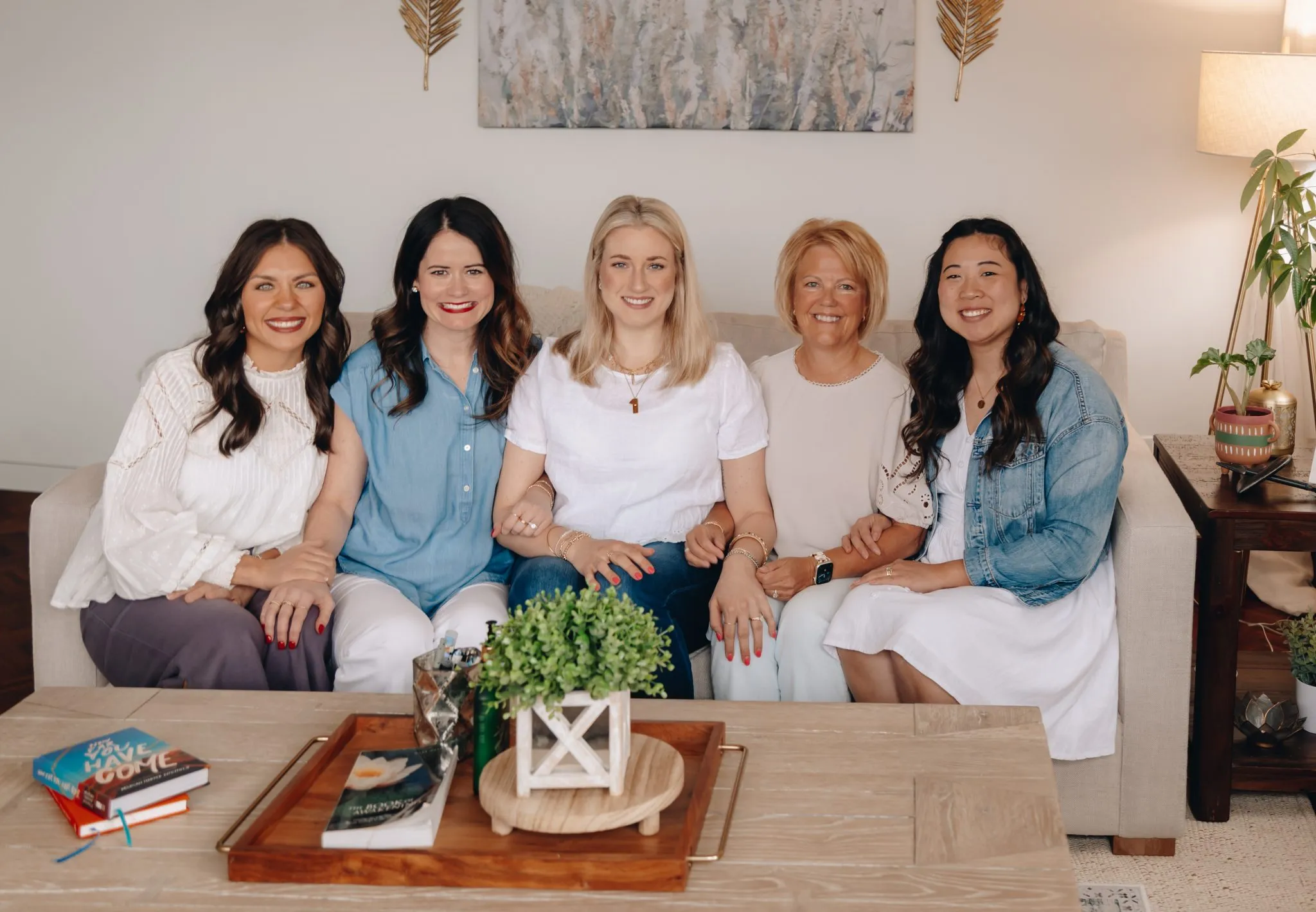
Today we have a blog post from one of our Master’s level interns, Hannah Wise, about letting go of overcontrol. She shares helpful and mindful practices to overcome perfectionism.
Hannah feels a drive to help others reconnect with themselves and their bodies through mutual empathy, authenticity, and vulnerability.
She values the therapeutic relationship and sees it as a vehicle to deliver connection and healing. By creating a collaborative environment with clients, Hannah establishes a safe space for recovery and realignment.
Hannah believes that all bodies are beautiful and worthy. By reconnecting and honoring their bodies, clients can pull from internal strengths and skills to tackle the challenges and trials of everyday life. Hannah is honored and excited to walk along this journey of healing with her clients.
Understanding Emotional Overcontrol and How to Let Go
Do you ever feel like you’re disconnected from what your brain and body are feeling? Do you have a need to always keep your emotions in check even when you are hurt, stressed, or over overwhelmed? Are you hesitant to share with others when you are feeling loneliness, rejection, or inadequacy?
If these experiences sound familiar, you may be engaging in emotional overcontrol. However, individuals who are emotionally overcontrolled keep themselves safe by holding feelings in, striving for perfection, preferring predictability, may have difficulty relaxing, or being open to spontaneity. In cases such as these, emotional overcontrol can be hurtful instead of helpful.
While being able to regulate your emotions can be helpful and protective in some situations, too much control can make life feel lonely, rigid, and exhausting. In this blog post, we will discuss why some people become overcontrolled, how being overcontrolled impacts your life, and how to release it.
Why Do Some People Become Overcontrolled?
You likely remember from your high school biology class the concept of nature vs. nurture. Similarly, the development of emotional overcontrol is related to both our inherent traits as well as our environments and early life experiences. You may have grown up in an environment where emotions were misunderstood, ignored, or devalued. If your family valued perfectionism, high achievement, and stoicism, you may have learned that it is safer to hide or suppress your feelings rather than express them. In addition, individuals who act as peacemakers in their family unit or beyond and value certainty, control, and live rigidly are more likely to develop emotional overcontrol. I want to emphasize that these circumstances and traits do not guarantee the development of emotional overcontrol, and there is no shame if you present more over-controlled. Rather, these are examples of common lived experiences that may show up in individuals who present with emotional overcontrol.
How Overcontrol Impacts Your Life
Emotional overcontrol has protected or served you in some way. Otherwise, you would not use it as a tool to cope, process, and metabolize different emotions and experiences. Emotional overcontrol is not a “bad” behavior; however, it can lead to long-term anxiety, disconnection from others, and lack of flexibility in the face of change. Overall, it can keep us isolated and lonely. Authentic social connection is a basic need. Authentic connection means that we show up in open and honest ways in our relationships with our family, friends, and partners. Thankfully, just like emotional overcontrol is a learned and practiced behavior, emotional flexibility and radical openness, meaning we are curious and open-minded, can be learned and incorporated into our lives as well.
How to Move Towards Health
How can you start to release overcontrol and reach for emotional flexibility and radical openness? You can begin by being curious about the areas and people in your life that make you want to reach for emotional control. Do you feel comfortable asking your supervisor for help when you feel overwhelmed at work? Does it feel safe to share with your partner that they hurt your feelings? By understanding where emotional suppression shows up, you can start practicing acknowledging the emotions that surface and sharing them with someone else who can help you hold them. It likely will feel uncomfortable at first, but over time it will start to feel safe and healing. Finally, you can also practice radical openness by embracing curiosity instead of certainty, especially in situations where you feel compelled to be perfect. Ask yourself “what would happen if I let go of control just a little?” or “what am I missing in this situation?” If you do not have an answer, this is ok. By just asking yourself these questions, you are allowing yourself to see other options, avenues, and perspectives in the world. This adds so much richness and light to our lives!
I hope you feel seen by this post and encouraged to start challenging some of your emotional overcontrol. For further resources on how to relinquish emotional overcontrol, the linked DBT Mindfulness webpage gives some great exercises and worksheets on ways to release emotional overcontrol and practice radical openness. It would be so fun and beneficial to try a couple of these each week.
Finally, I will leave you with an affirmation: Eyes open. Heart open. Mind open.
You got this!
Hannah
We hope you found Hannah’s insights on becoming more emotionally flexible helpful. If her message resonated with you, this could be the perfect time to take meaningful steps towards your healing and peace. To initiate your work with Hannah, please feel free to call our office at 615.510.3797 or click here to learn more.
Hannah will also be co-leading our new Anchor Your Anxiety: Anxiety Support for Women therapeutic group. This six week group is for adult women who want to get support and skills to manage their anxiety.
This support group will teach you how anxiety functions and give you practical skills to shift your relationship to your anxiety. You will also have the opportunity to connect with others who understand how you feel.
We will be meeting at our Brentwood office every Wednesday, 5-6:30 PM. The group is $150 for the six weeks.
This space will be a time to nurture yourself, build community connection, and support your mental health. If you are interested and would like to join or learn more, please email [email protected]