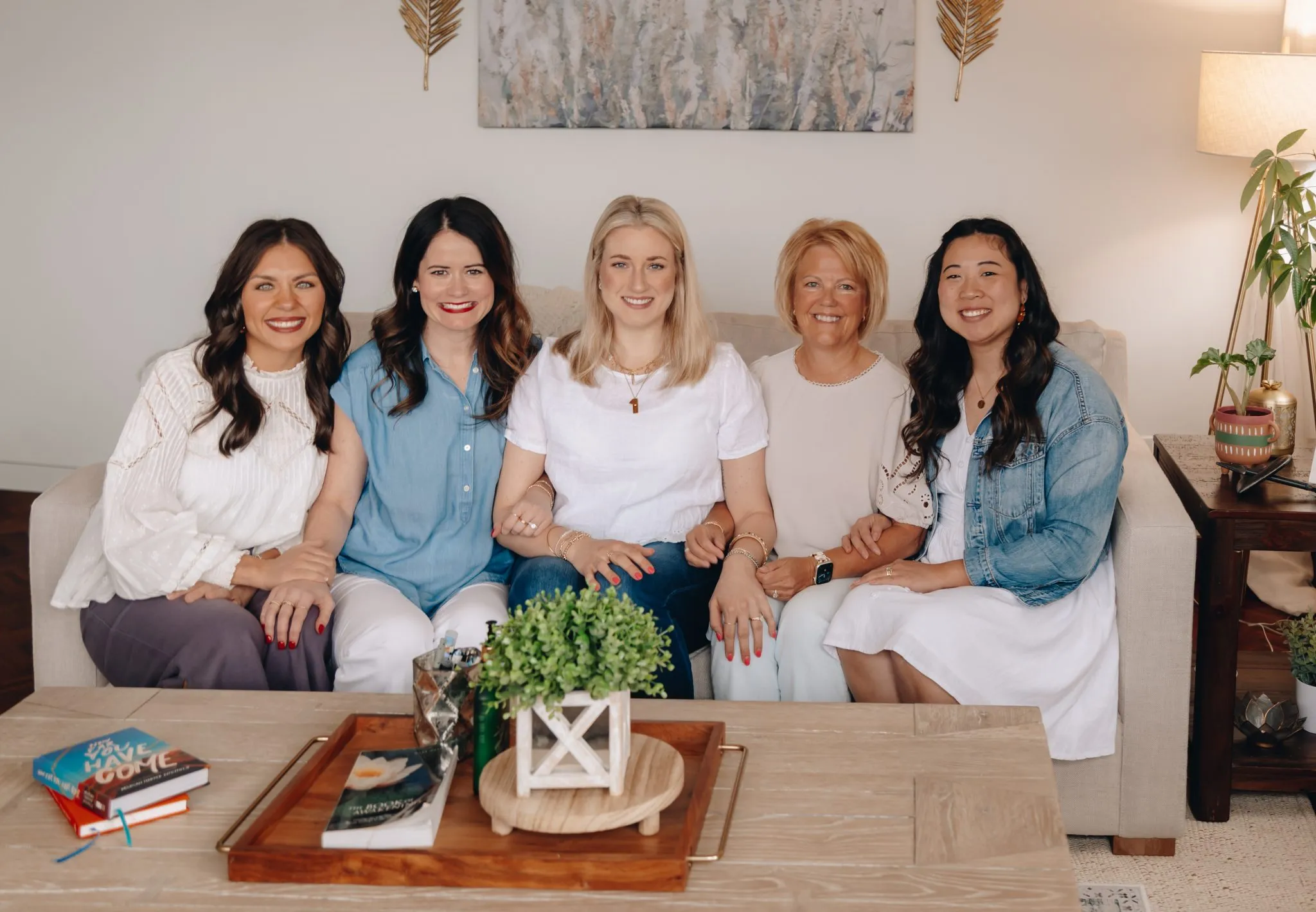
Today we have a post from Hannah Wise on alcohol and mental health. Hannah is a compassionate therapist at Anchored Counseling Co., dedicated to helping individuals reconnect with themselves and their bodies. She values empathy, authenticity, and vulnerability in her therapeutic relationships, aiming to create a safe and collaborative space for healing and recovery. Hannah believes in the inherent beauty and worth of all bodies, emphasizing their empowerment in overcoming daily challenges.
Specializing in eating disorders, body image concerns, women’s issues, trauma, self-esteem, depression, anxiety, and OCD, Hannah employs a variety of therapeutic approaches. She is proficient in Cognitive Behavioral Therapy (CBT), Acceptance and Commitment Therapy (ACT), Somatic Experiencing, mindfulness, and family therapy, tailoring her methods to meet the unique needs of her clients.
Hannah is deeply committed to walking alongside her clients on their journey of reconnection and self-discovery, offering her expertise and support every step of the way. We hope you enjoy today’s post from Hannah on alcohol and mental health!
In today’s world, alcohol is linked to social gatherings, cultural practices, and even stress management. It feels like it’s everywhere, woven into many aspects of daily life. However, its impact on mental health is complex and multifaceted. For some, consuming alcohol responsibly and occasionally is fine. Others find that sobriety benefits them, perhaps due to a complicated history of alcohol use, a family history of alcoholism, or negative consequences in their own lives. This blog will discuss how to evaluate your relationship with alcohol and its role in your life.
Examine How You Feel Before and After Drinking
We drink alcohol for many reasons: friends visiting, a football game, and others. It’s important to examine the situations, thoughts, and feelings that lead to drinking. This builds self-awareness around your internal process. Are you feeling social? Excited? Anxious? Lonely? Have you paused to ask yourself if you truly want to drink, or is it just a habit in certain situations?
Understanding these factors gives insight into why we behave the way we do and what our needs are. Sometimes alcohol isn’t the best choice, even though it offers temporary relief. It can make us feel more anxious instead of relaxed, or lonelier instead of satisfied. That’s why it’s key to pause and reflect on how you feel after drinking. While alcohol might bring temporary joy, it can lead to lingering depression, anxiety, and sleep issues. This doesn’t mean alcohol is inherently bad. It’s about understanding your urge to drink and how it affects your mind and body. This knowledge can inform the kind of relationship you want with alcohol.
Be Intentional With Your Consumption
Decide how much you will drink before starting. This is important for safety and because drinking can easily turn into a habit. Intentional drinking means making conscious choices about when, how, and why you drink. The goal is to understand alcohol’s impact on your life and align your drinking with your overall well-being.
By being mindful of your alcohol intake, you can avoid mindless drinking that leads to overconsumption. It also helps set personal boundaries, like how many drinks you have per week or what situations you drink in. Some people may need to pursue sobriety instead of just setting limits. If you struggle with boundaries or notice that alcohol’s downsides outweigh its benefits, consider talking to your therapist about sobriety.
Take Breaks
One of the best ways to assess your relationship with alcohol is to take a break from it. If you’re wondering whether your relationship with alcohol is healthy, listen to that inner voice that senses something may be off. I’m not suggesting this because alcohol is bad. A break can help you reflect on how alcohol affects your life, if at all.
If you’d like to learn more about alcohol and mental health, check out @mentalhealth.q. This account shares great posts about mental health and self-care, offering tools beyond alcohol. Plus, we all could use more positivity and love in our social media feeds!
I want to leave you with this affirmation: “I have the power to change my own energy and bring my own peace.”
You got this!
Hannah
We hope you found Hannah’s insights on alcohol and mental health helpful. If her message resonated with you, this could be the perfect time to take meaningful steps toward your healing and peace. To initiate your work with Hannah, please feel free to call our office at 615.510.3797 or click here to learn more.